

In the realm of storytelling, every image carries the potential to convey a narrative that transcends mere visuals. A single car image can encapsulate a myriad of emotions, memories, and experiences, inviting viewers to interpret and imagine their own stories. The juxtaposition of a car against a backdrop of landscapes, urban settings, or personal moments creates a canvas where the viewer’s imagination can roam free.
This article explores how a solitary image of a car can serve as a powerful vehicle for storytelling, evoking feelings of nostalgia, adventure, or even solitude. Each element within the frame contributes to the narrative–be it the car’s model, its condition, or the environment it is placed in. By focusing on these details, we can uncover layers of meaning that resonate on both personal and universal levels.
Furthermore, the impact of a car image often extends beyond aesthetics; it reflects broader themes such as freedom, escape, or the passage of time. As we delve into the art of storytelling through this singular motif, we invite the audience to engage with the image not just as a moment captured in time, but as a doorway to an unfolding tale filled with possibilities.
Choosing the Right Car Image to Convey Emotion

Selecting a car image that effectively communicates emotion requires an understanding of both the vehicle itself and the feelings you wish to evoke. Cars are not just modes of transportation; they embody freedom, adventure, nostalgia, and aspiration. To choose the right image, consider the context and the story you want to tell.
First, think about the emotional response you aim to elicit from the audience. For instance, an image of a sleek sports car on a winding road can evoke excitement and a sense of thrill. Conversely, an old classic car parked on a rustic street may stir feelings of nostalgia and warmth. The setting, lighting, and angle of the shot drastically influence how viewers perceive the emotion behind the image.
Next, focus on the details of the car. The color can also play a significant role in conveying mood; vibrant colors often suggest energy and passion, while muted tones can imply sophistication or melancholy. Additionally, the condition of the car may impact the story; a polished, pristine vehicle might speak of luxury, whereas a worn-out car could reflect memories, journeys, or struggles.
Lastly, consider the broader narrative. A car in motion can symbolize progress and adventure, while a parked car could represent contemplation or a moment of pause. By carefully selecting images that align with the intended emotion, you create a powerful visual narrative that resonates with your audience.
Techniques for Capturing Storytelling Elements in Car Photography
To effectively tell a story through car photography, one must focus on several critical techniques that enhance the narrative embedded within a single image. First, consider the choice of location. A well-selected backdrop can add context to the car’s story. For example, an urban environment can convey a sense of modernity, while a rural setting might evoke nostalgia or adventure.
Lighting plays a pivotal role in creating mood and emphasizing details. Early morning or late afternoon light, known as the golden hour, provides soft shadows and warm tones that can breathe life into the car’s features. Conversely, dramatic lighting, such as high-contrast scenarios or nighttime shots with city lights, can create tension and intrigue.
Composition is essential for guiding the viewer’s eye. Utilizing techniques like the rule of thirds can position the car effectively within the frame, while leading lines can draw attention to it. Experimenting with angles–shooting from a low perspective, for instance–can make the vehicle appear more imposing and heroic, suggesting a story of power and presence.
Incorporating dynamic elements, such as motion blur, can suggest speed and excitement, adding to the narrative. Capturing the car in action, whether on the track or the open road, invites viewers to imagine their own experiences related to the vehicle, further enhancing the story.
Finally, paying attention to details, like reflections or textures, can imbue the image with layers of meaning. These small elements can hint at the car’s history or its relationship with the environment, creating a richer storytelling experience. By combining these techniques, photographers can transform a simple car image into a compelling narrative that resonates with viewers.
Analyzing the Impact of Lighting and Background on Car Narratives
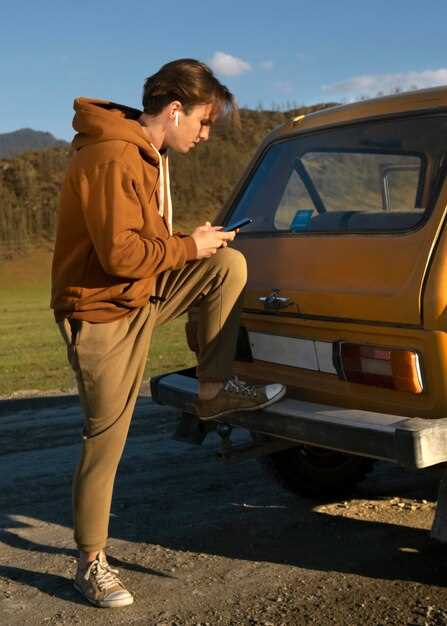
In the realm of car photography, storytelling transcends mere visuals; it requires a nuanced understanding of how lighting and background shape the narrative being conveyed. The interplay between these elements can significantly alter the viewer’s perception and emotional response to the image.
Lighting is perhaps the most critical aspect of creating mood and atmosphere. Natural light, particularly during the golden hour, provides a warm glow that accentuates the car’s curves and features, evoking feelings of nostalgia and adventure. In contrast, harsh, artificial lighting can evoke a more industrial or aggressive vibe, influencing the story told by the image. The direction of light can also play a vital role; side lighting highlights texture and detail, while backlighting can create silhouettes that add a sense of mystery.
The background is equally important in enhancing the narrative. A minimalist backdrop can focus attention squarely on the vehicle, making it the hero of the story. Alternatively, a dynamic environment, such as a bustling cityscape or a serene countryside, sets the scene and context, inviting viewers to envision the journey. Elements like weather, time of day, and urban versus rural settings can further enrich the story conveyed through the image.
Moreover, the combination of lighting and background can create a compelling contrast that enhances storytelling. For instance, a car set against a dramatic sunset can symbolize freedom and exploration, while a vehicle framed by stark urban architecture might suggest confinement or tension. The use of color psychology also plays a role; warm tones can elicit comfort while cool tones might convey distance or sophistication.
In conclusion, effective car storytelling through a single image hinges on the careful manipulation of lighting and background. By understanding their impact, photographers can craft narratives that resonate deeply with viewers, transforming simple photographs into compelling stories that linger in the mind long after the image is viewed.


