
In the realm of vehicle photography, understanding the interplay of shadows and highlights is crucial for creating striking and memorable images. The way light interacts with the contours of a vehicle can dramatically affect its perceived form and aesthetic appeal. By mastering these elements, photographers can lift their work from ordinary snapshots to exceptional pieces of art that resonate with viewers.
Shadows and highlights not only define the shape and surface of a vehicle but also convey depth and texture. Proper manipulation of these elements can enhance the sleek lines of a sports car or emphasize the ruggedness of an off-road vehicle. Photographers must pay keen attention to the lighting conditions, whether they are working with natural sunlight or artificial light sources, to capture the vehicle in its best light.
Moreover, understanding how to balance highlights and shadows can lead to a more dynamic composition. Too much contrast may obscure important details, while overly flat lighting may fail to showcase the vehicle’s features. This article will delve deep into techniques and tips for effectively managing shadows and highlights, enabling photographers to elevate their vehicle photography to new heights.
Optimizing Natural Light for Vehicle Highlights
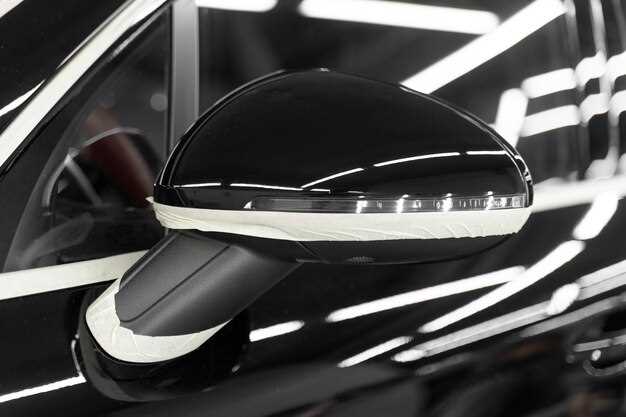
Effective vehicle photography hinges on the interplay of light and shadows. To enhance the highlights on a vehicle, understanding how to manipulate natural light is crucial. The golden hours–shortly after sunrise and before sunset–provide a soft, warm glow that enhances the vehicle’s curves and contours while minimizing harsh shadows.
Positioning the vehicle strategically relative to the sun can amplify highlights. For instance, positioning the car at a slight angle to the light source can create dynamic reflections and catch the viewer’s eye. Use the vehicle’s body lines to direct light and play with the angles to achieve a balanced exposure across different surfaces.
When harsh sunlight creates deep shadows, using reflectors can help redirect light to the shaded areas, bringing more details into view. This technique ensures that the vehicle’s features are adequately illuminated while avoiding overexposed highlights. Experimenting with various reflector positions can yield several effects and provide depth to the image.
Cloudy days present unique advantages, diffusing sunlight and creating a soft, even light that reduces stark shadows. Such conditions are ideal for capturing the details of the vehicle without the distraction of harsh contrasts. Nevertheless, it’s essential to assess the sky conditions, as overly gray skies can wash out colors and diminish vibrancy.
Variables such as background and environment also influence how light interacts with the vehicle. Choosing a location with reflective surfaces, such as water or glass, can add interest and depth by introducing additional highlights. Conversely, avoiding cluttered backgrounds ensures that attention remains focused on the vehicle.
Finally, post-processing can further optimize the natural light captured during the shoot. Adjusting highlights and shadows in software allows for balance and enhancement of the image, ensuring that both bright and dark areas contribute harmoniously to the overall composition.
Manipulating Shadows to Enhance Vehicle Shape
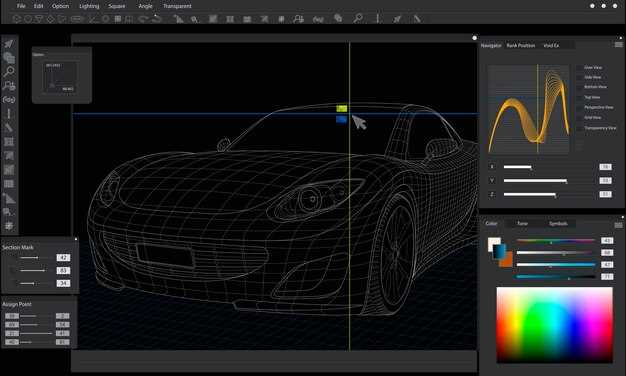
In vehicle photography, shadows play a crucial role in defining the contours and overall shape of the car. By strategically manipulating these shadows, photographers can enhance features, create depth, and give the vehicle a more three-dimensional appearance.
Understanding Light Direction is the first step in this process. The angle and intensity of light significantly affect the shadows cast on the vehicle. Soft light, such as that found during the golden hour, generates gentle shadows that can smoothly enhance curves. In contrast, harsh midday sunlight produces sharp shadows that emphasize edges and lines, potentially creating a more aggressive look.
Utilizing reflectors can also help in controlling shadows. By reflecting light back onto specific areas of the vehicle, shadows can be softened or filled in, allowing highlights to further define key features. This technique is particularly effective in emphasizing the vehicle’s profile and proportions, ensuring a balanced composition.
Post-processing is another essential aspect of shadow manipulation. Software like Adobe Lightroom or Photoshop allows for fine adjustments. By selectively darkening certain areas, a photographer can draw attention to particular shapes while enhancing their contrast against the highlights. Careful editing can lead to a more striking image that highlights the vehicle’s unique design.
Moreover, shadow placement plays a pivotal role in composition. Shadows can frame the vehicle or lead the viewer’s eye towards it, creating a dynamic interaction between the subject and its environment. Experimenting with different perspectives can yield surprising results, making the vehicle appear more heroic or elegant depending on the desired outcome.
In conclusion, mastering the manipulation of shadows is vital for any automotive photographer seeking to enhance the shape of a vehicle. By understanding light direction, utilizing reflectors, and incorporating post-processing techniques, one can create compelling images that not only highlight the vehicle’s design but also evoke emotion and interest in the viewer.
Post-Processing Techniques for Balancing Light and Dark
In vehicle photography, achieving a harmonious balance between highlights and shadows is crucial for creating visually striking images. Post-processing offers various techniques to enhance this balance, ensuring that neither aspect overwhelms the other. The following methods are essential for optimizing the interplay of light and dark in your photographs.
One of the primary techniques involves the use of exposure adjustments. By carefully modifying the exposure settings, you can either brighten areas that are too dark or tone down overly bright highlights. This allows for a more balanced overall image. Additionally, tools such as the shadows and highlights sliders in editing software can help you fine-tune these areas without sacrificing detail.
Another effective approach is to utilize local adjustment tools, such as gradient filters or brushes. These allow you to selectively lighten shadows or darken highlights in specific regions of the photo. This targeted editing can bring out the contours and curves of the vehicle, enhancing its appearance while maintaining a natural look.
When dealing with highlights, consider employing techniques like highlight recovery. Most editing programs offer options to retrieve lost details in bright areas, ensuring that reflections and texture remain visible. This can significantly improve the overall quality of your image.
Contrast adjustments can further strengthen the interplay of light and dark. By increasing contrast, you add depth to the photograph, making the highlights more pronounced against the shadows. However, it’s essential to do this thoughtfully; too much contrast can lead to loss of detail in both ends of the spectrum.
Lastly, color grading plays a pivotal role in balancing the light and dark areas of your vehicle shots. By adjusting the color tones, especially in the midtones, you can create a cohesive feel throughout the image. This not only enhances the visual appeal but also contributes to a more dynamic representation of the vehicle.
In conclusion, mastering post-processing techniques for balancing highlights and shadows is vital for capturing the full essence of vehicle photography. By utilizing exposure adjustments, local tools, highlight recovery, contrast enhancements, and color grading, photographers can achieve striking images that stand out in any portfolio.


