
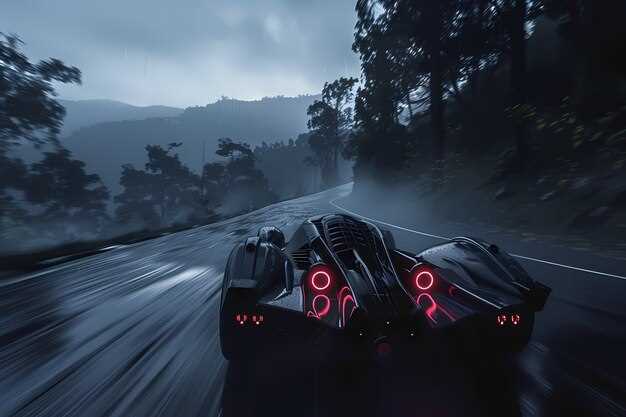
When it comes to achieving peak performance on the track, settings play a crucial role in determining how fast a sports car can go. From suspension tuning to tire pressure adjustments, every aspect of a car’s configuration can significantly impact its handling, acceleration, and overall driving experience. Understanding the optimal settings is essential for both amateur enthusiasts and professional racers who aim to push their vehicles to their limits.
The dynamic nature of high-performance cars requires careful consideration of various parameters, including aerodynamics, weight distribution, and drivetrain characteristics. Tailoring these settings not only enhances speed but also improves stability and cornering capabilities. Each model may have its unique set of optimal configurations that can elevate its performance, making it imperative to experiment and fine-tune based on individual driving styles and track conditions.
By exploring the intricate relationship between a car’s settings and its performance metrics, we can uncover the secrets to maximizing speed and efficiency. This article delves into the fundamental adjustments needed to unlock the true potential of high-performance sports cars, empowering drivers to experience the exhilaration of fast driving like never before.
Choosing the Right Camera Settings for Fast Action Shots
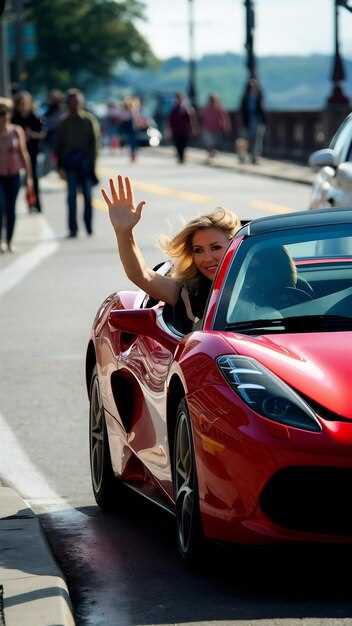
Capturing high-performance sports cars in motion requires precise camera settings to ensure stunning photographs. The right settings can make a significant difference in the quality of action shots, emphasizing speed and agility.
The first critical setting is shutter speed. For fast action shots, a shutter speed of 1/1000 second or faster is ideal. This speed effectively freezes the motion of racing cars, preventing blur and preserving details. If the lighting conditions are less than optimal, consider using a wider aperture to allow more light into the camera without compromising the shutter speed.
Aperture plays a pivotal role in determining depth of field. A lower f-stop (e.g., f/2.8) will create a shallow depth of field, isolating the cars from the background. This technique emphasizes the subject and can produce striking images that evoke speed. However, in some situations, a higher f-stop may be necessary to ensure more of the scene is in focus, especially when shooting in a crowded environment.
ISO settings also enhance image quality. In bright conditions, keep the ISO low (100-400) to minimize noise. When shooting in darker environments, such as evening races, increase the ISO (800-1600), but be aware of potential graininess. Balancing ISO and shutter speed is crucial for maintaining image clarity.
Using continuous shooting mode is highly beneficial for fast action photography. This mode allows you to take multiple shots in quick succession, capturing various moments of the action. It increases your chances of obtaining that perfect shot of cars speeding by, making it easier to choose the best frame during post-processing.
Additionally, consider the focus mode. Continuous autofocus (AF-C) is ideal for moving subjects, allowing the camera to adjust focus as cars move through the frame. This setting, combined with a fast shutter speed, can significantly improve your chances of capturing sharp images.
Lastly, be mindful of the composition. Using techniques such as panning–where you follow the movement of the cars with your camera while shooting–can create a dynamic sense of motion in your photographs. Adjusting your camera settings accordingly will help to ensure that the image remains sharp while the background blurs artistically.
By mastering these camera settings and techniques, you can effectively capture the exhilarating essence of high-performance sports cars in action, creating stunning visual storytelling through your lens.
Understanding Vehicle Dynamics for Better Tracking Shots
When capturing fast cars in action, understanding vehicle dynamics is crucial for achieving stunning tracking shots. The way a car behaves on the road significantly impacts your ability to frame the shot while maintaining clarity and precision.
Acceleration and Deceleration: Fast cars exhibit powerful acceleration and quick deceleration. Knowing how to anticipate these changes allows you to adjust your camera settings accordingly. High-performance vehicles can reach their top speed rapidly, so be prepared to set your shutter speed high enough to freeze motion, avoiding any unwanted blur.
Cornering Dynamics: The way cars navigate corners is essential for dynamic shots. Fast cars often undergo weight transfer, affecting their grip and handling. Understanding understeer and oversteer can help you position yourself effectively. As a car approaches a turn, you may need to anticipate its trajectory to keep it in frame, ensuring the shot captures the excitement of the maneuver.
Traction and Stability: The interaction between tires and the road surface influences how well a car grips during high-speed maneuvers. Fast cars with advanced suspension systems can maintain stability, but it’s vital to recognize that different road conditions can change their dynamics. Use this knowledge to adjust your shooting angles and distances; close-up shots may work better on stable surfaces, while wider angles can capture the full effect of a drifting car.
Camera Movement: To create immersive tracking shots, your camera movement should complement the car’s speed. Consider using techniques like panning, where you move the camera in synchronization with the car’s path. This not only keeps the subject in focus but also adds a dynamic feel to the footage, enhancing the viewer’s experience of the car’s velocity.
By mastering the vehicle dynamics of fast cars, you can elevate your tracking shots from standard to exceptional, creating visually compelling footage that showcases the thrilling essence of high-performance automobiles.
Adjusting Exposure and Focus for Perfectly Captured Speed
Capturing the essence of speed in high-performance sports cars requires precise adjustments in both exposure and focus. Fast-moving subjects demand settings that can freeze motion while retaining clarity in details. When photographing these cars, a fast shutter speed is essential. Settings of 1/1000 sec or faster are often necessary to eliminate motion blur, allowing the dynamic lines and aggressive postures of the cars to stand out.
In addition to shutter speed, ISO settings play a crucial role in achieving the right exposure. A higher ISO can be beneficial in low-light conditions but should be managed carefully to avoid graininess. Ideally, choose an ISO that allows for a well-exposed image without compromising the quality. Balancing exposure requires an understanding of how aperture settings can also influence the final result. A wider aperture (smaller f-number) can create a shallow depth of field, making the car pop against a blurred background, thus emphasizing speed.
Focus is equally important when capturing fast cars. Autofocus systems with continuous tracking capabilities allow photographers to maintain sharp focus on a moving subject. Utilizing a single focus point can enhance accuracy, while burst mode lets you capture multiple frames in quick succession, increasing the chances of capturing the perfect moment. Panning techniques, where the camera moves in sync with the car, can also create a striking effect, highlighting the motion while keeping the subject in sharp focus.
Ultimately, achieving the optimal settings for photographing fast cars involves experimentation. Different environments and lighting conditions will affect the necessary adjustments. By mastering exposure and focus settings, photographers can effectively preserve the thrill and speed of these remarkable machines, transforming fleeting moments into stunning visual memories.


