
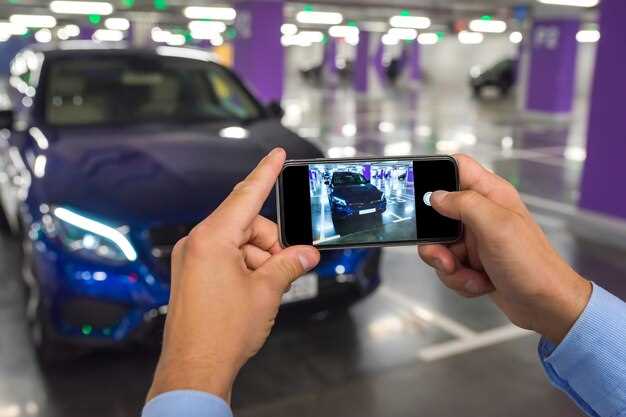
Car shows are a vibrant celebration of automotive culture, where enthusiasts gather to admire, showcase, and appreciate a diverse array of vehicles. From classic cars to modern supercars, these events offer a unique opportunity for photographers to capture stunning images that convey the essence of the automotive world. However, achieving striking photographs at car shows requires more than simply pointing and shooting; it demands thoughtful planning, an understanding of lighting conditions, and a keen eye for composition.
To excel in capturing the excitement and beauty of car shows, it’s essential to familiarize yourself with certain tips and techniques. Knowing when to utilize natural light, how to frame your shots effectively, and the best angles to showcase each car’s unique features can make all the difference in your photography. Additionally, understanding the atmosphere of the event can help you anticipate moments worth capturing, whether it’s a classic car taking center stage or an interactive experience involving the crowd.
In this article, we will delve into practical tips that will enhance your photography skills and ensure that your images from car shows are not only captivating but also tell a story. From preparing your gear to mastering post-processing techniques, these insights will equip you to capture stunning photos that reflect the passion and artistry present at every car show.
Choosing the Right Equipment for Car Show Photography
When it comes to capturing stunning images at car shows, selecting the appropriate equipment is crucial for achieving excellent coverage and compelling visuals. Here are the key elements to consider:
-
Camera:
- Choose a DSLR or mirrorless camera for versatile performance and image quality.
- Look for models with good low-light capability, as shows can have variable lighting.
- Consider a camera with fast autofocus to capture moving vehicles and crowds.
-
Lenses:
- A wide-angle lens (e.g., 24mm or wider) is ideal for full car shots and capturing the atmosphere.
- A telephoto lens (e.g., 70-200mm) allows for detailed shots from a distance, helping to isolate cars in busy environments.
- Macro lenses can be beneficial for close-ups of intricate details like badges, wheels, and interiors.
-
Tripod/Stabilization:
- A sturdy tripod or monopod will help reduce shake, especially in low-light situations.
- Consider using a gimbal for smooth tracking shots of moving cars.
-
Filters:
- Polarizing filters enhance colors and reduce glare from shiny surfaces.
- Neutral density filters can help control exposure in bright conditions.
-
Extra Gear:
- Bring extra batteries and memory cards to avoid running out during the event.
- A lens cleaning kit can keep your equipment free from dust and smudges.
Investing in the right equipment will significantly enhance your car show photography, ensuring you achieve excellent coverage and captivating images that showcase the beauty and intricacies of each vehicle.
Mastering Lighting Techniques at Car Shows
Effective lighting is crucial for capturing stunning photos at car shows. Understanding how to manipulate light allows photographers to highlight the intricate details of vehicles while creating a dynamic atmosphere. Here are some essential techniques to improve your coverage of cars.
1. Utilize Natural Light
Natural light can be your best friend when photographing cars. Early mornings or late afternoons, known as the golden hours, provide soft and warm illumination, enhancing the car’s colors and textures. Avoid harsh midday sun which can create unflattering shadows and highlights on the car surface.
2. Use Reflectors
Reflectors can help redirect natural light onto the car, filling in shadows and emphasizing details. A simple white reflector can soften shadows and brighten the image, while a silver reflector adds a more dramatic contrast. This technique allows for more balanced lighting in your shots.
3. Experiment with Artificial Lighting
In situations with suboptimal natural light, using artificial lighting can significantly enhance your images. Portable LED lights or external flash units can create interesting effects and highlight the car’s features. Be sure to diffuse artificial lights to prevent harsh glare on the vehicle’s surface.
4. Pay Attention to Reflections
The glossy surfaces of cars often reflect their surroundings. Monitor reflections carefully, as they can either enhance or detract from your image. Position yourself and your light sources to either include interesting reflections or avoid unwanted distractions in the frame.
5. Master Low Light Conditions
Car shows often occur indoors or during evening events where low light is a challenge. Adjust the camera settings to a higher ISO while using a fast lens to capture sharper images. Consider using a tripod to stabilize your shots and reduce motion blur, allowing for longer exposures if needed.
6. Create Mood with Lighting
Lighting can set the mood for your photos. Experiment with colored gels over your light sources to create a dramatic effect or highlight the car’s color scheme. This adds a unique touch and can make your images stand out in a competitive environment.
By mastering these lighting techniques, you’ll be well-equipped to capture stunning photos that do justice to the beauty and intricacy of the cars on display. Effective use of light not only enhances your coverage but also elevates your overall photography skills.
Framing and Composition Strategies for Car Photos
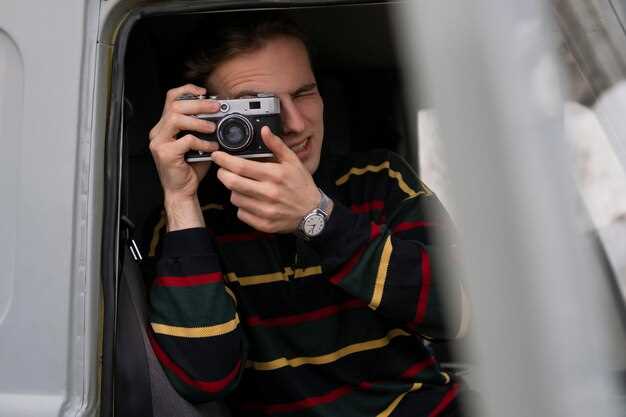
Effective framing is essential when capturing stunning car show photos. Start by using the rule of thirds, which involves dividing your frame into a 3×3 grid. Position the car along these lines or at their intersections to create a more dynamic composition. This method draws the viewer’s eye and emphasizes the vehicle’s features.
Consider the background of your shot as well. A clean, uncluttered background helps the car stand out, while interesting textures or elements can add depth and context. Look for locations that complement the car’s color and design, enhancing the overall visual appeal. Juxtaposing the vehicle with contrasting backgrounds can also highlight its attributes.
Experiment with different angles to find the most flattering perspective. Shooting from a lower angle can give the car a more powerful presence, while a higher viewpoint can capture its sleek lines. Side shots often work well, showcasing the car’s full profile and intricate details. Don’t hesitate to move around the vehicle to discover unique vantage points.
Incorporating other elements in your frame can enhance storytelling. Including spectators, car enthusiasts, or event signage can convey the show’s atmosphere and provide context to the image. However, ensure these elements are secondary to the car, maintaining focus on the main subject.
Finally, lighting plays a crucial role in composition. Aim for natural light during golden hours–early morning or late afternoon–to achieve a warm, flattering glow. Avoid harsh midday sun, as it can create unwanted shadows and highlights, detracting from the car’s appearance. If shooting indoors, utilize soft artificial lighting to mitigate reflections and glare.


