
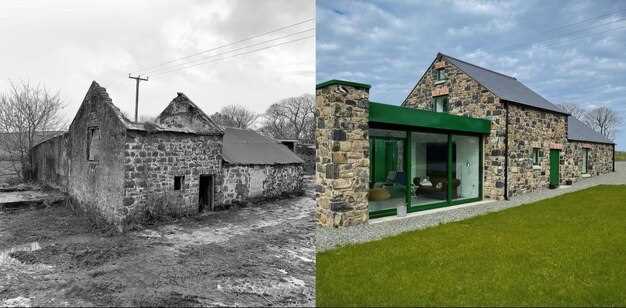
Restoration projects are a testament to human creativity and perseverance, breathing new life into structures and objects that carry historical significance. Whether it’s a dilapidated building, a classic car, or a treasured piece of art, the journey of restoration showcases not only the transformation but also the dedication and skill required to revive what was once lost. These projects often reveal the hidden beauty that lies beneath layers of neglect and time, inviting us to appreciate the stories they tell.
Before and after photos serve as powerful visual narratives in the world of restoration. They capture the dramatic changes that occur through careful planning, expert craftsmanship, and a passionate vision. Viewers can witness firsthand the impact of restoration efforts, celebrating both the aesthetic enhancements and the architectural integrity that has been preserved or restored. Each pair of images provides a glimpse into the potential that lies within forgotten or damaged items.
The significance of restoration extends beyond aesthetics; it contributes to the preservation of cultural heritage. By revitalizing historical sites and artifacts, we not only honor the past but also ensure that future generations can engage with and learn from our shared history. In this article, we explore a selection of stunning restoration projects, showcasing their breathtaking transformations through compelling before and after photos that exemplify the art and science of restoration.
How to Choose the Right Restoration Techniques for Different Materials

Choosing the appropriate restoration techniques depends heavily on the material in question. Each material has its unique properties and vulnerabilities, which must be considered to ensure effective restoration without causing additional damage.
For wood surfaces, consider techniques such as sanding, refinishing, or applying wood fillers. Sanding can remove old finishes and surface imperfections, while refinishing restores the original color and luster. For damaged areas, wood fillers can help restore functionality and aesthetics.
When restoring metal objects, rust removal is often a primary concern. Techniques like sandblasting, chemical rust removers, or manual sanding can be effective. Once the rust is removed, applying a protective coating, such as paint or wax, can prevent future corrosion.
Textiles require a different approach; gentle cleaning methods are essential to avoid damaging fibers. Dry cleaning or hand washing using mild detergents are recommended for fabric restoration. For delicate items, consider consulting a professional conservator to handle the restoration safely.
When dealing with stone materials, identifying the type of stone is crucial. Techniques such as pressure washing, poulticing for stain removal, or using specific chemical treatments tailored to the stone type can be effective. Proper sealing after cleaning helps maintain the surface integrity.
In cases involving ceramics or glass, the main focus is often on repairs and color matching. Adhesives designed specifically for ceramics can effectively bond broken pieces, while epoxy may be required for glass. Touch-up paints can help restore colors and fill in minor imperfections.
Lastly, for artwork or historical documents, conservation techniques must involve careful handling and specialized materials. Archival-quality adhesives and protective coatings are essential to ensure longevity without compromising the integrity of the original work.
In summary, the right restoration technique is determined by understanding the material’s unique characteristics and selecting the methods that will restore its appearance and functionality while preserving its integrity.
Capturing the Transformation: Best Practices for Before and After Photography
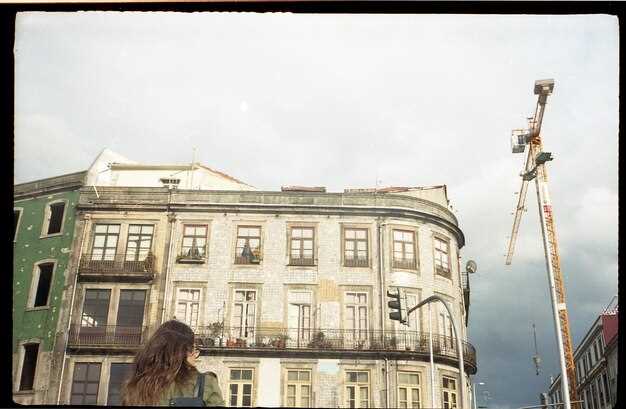
When documenting restoration projects, the effectiveness of before and after photography lies in the ability to showcase the dramatic changes made. To achieve impactful visuals, consider the following best practices.
First, consistency is key. Ensure that both before and after photos are captured from the same angle and distance. This allows viewers to easily compare the transformations and understand the extent of the restoration. Marking specific spots for camera placement can aid in achieving uniformity.
Lighting plays a crucial role in photography. Natural light is often the most flattering, so aim to take your photos during daylight hours, avoiding harsh shadows or overexposed areas. If indoors, consider using diffused artificial light to enhance visibility while minimizing glare, which can obscure details.
Take multiple shots to provide a range of perspectives. Close-ups can highlight intricate details of the restoration, while wide-angle shots can capture the overall impact of the project. This variety offers a comprehensive view for your audience.
Post-editing is another valuable step in the process. Adjusting brightness, contrast, and saturation can help both images appear more cohesive and emphasize the restoration results more vividly. However, avoid excessive editing that distorts reality; authenticity is paramount in conveying the true changes made.
Incorporating context is beneficial. Include descriptions alongside your images to explain the significance of the restoration work and any challenges faced along the way. This narrative can enhance the viewer’s understanding and appreciation of the transformation.
Finally, consider the emotional connection. Capturing the essence of the space or object before restoration can evoke feelings that enhance the impact of the after images. Engaging storytelling through imagery not only highlights the physical transformation but also underscores the value of restoration efforts.
Case Studies: Inspiring Restoration Projects That Showcase Dramatic Changes
Restoration projects serve as a powerful testament to the potential of transformation, revitalizing structures that hold historical or aesthetic significance. Below are a few remarkable case studies that highlight the dramatic changes achieved through thoughtful restoration efforts.
-
The Grand Theater Revival
- Location: Springfield, USA
- Year of Restoration: 2020
- Challenges: Neglect, water damage, outdated facilities
- Highlights of Restoration:
- Reinforcement of the building’s structure
- Restoration of original frescoes and architectural details
- Upgrade of seating and sound systems for modern use
This restoration not only preserved the theater’s historical value but also renewed its role as a cultural hub in the community.
-
Victorian House Transformation
- Location: Montreal, Canada
- Year of Restoration: 2019
- Challenges: Structural instability, outdated electrical systems
- Highlights of Restoration:
- Reclaimed wood and original materials were used.
- Installation of energy-efficient technologies while preserving aesthetics.
- Reconfiguration of interior spaces to enhance flow and usability.
This project exemplified how modern needs can be seamlessly integrated into historic designs, showcasing a marriage of old and new.
-
Factory to Loft Conversion
- Location: Berlin, Germany
- Year of Restoration: 2021
- Challenges: Industrial remnants, compliance with safety regulations
- Highlights of Restoration:
- Erection of new walls to create functional living spaces.
- Incorporation of large windows to maximize natural light.
- Preservation of exposed brick and original factory flooring as design elements.
This innovative restoration turned an obsolete industrial site into a vibrant residential community, highlighting the potential of urban renewal.
These case studies not only reflect the aesthetic and functional transformations achieved through restoration but also emphasize the importance of preserving our architectural heritage for future generations. Each project serves as a reminder that with vision and effort, significant change is possible.


