
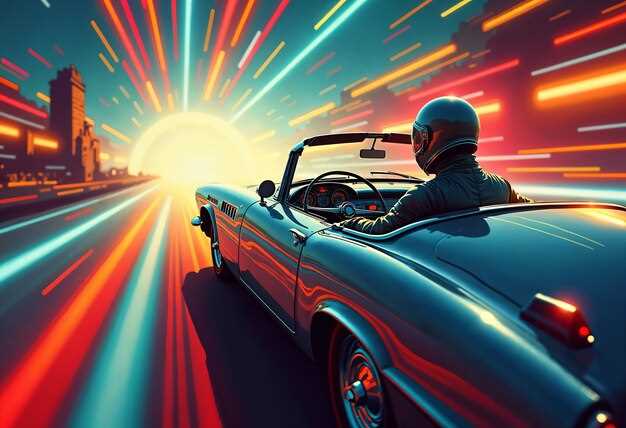
The world of racing has always been a captivating blend of speed, adrenaline, and artistic expression. Throughout the decades, retro racing events have left an indelible mark on the cultural landscape, showcasing not only the evolution of automobiles but also the unique visual aesthetics that accompany them. This legacy is reflected in the emblematic designs, vibrant colors, and innovative marketing techniques that have defined these events and captured the imagination of fans worldwide.
From the flamboyant costumes of drivers and spectators to the meticulously designed racecars, retro racing events serve as a time capsule, preserving the essence of various eras. Each event tells a story, intertwining the history of racing with the social and cultural movements of its time. The visuals created during these moments are more than just images; they encapsulate the spirit of competition and bring to life the thrill of the race.
As we explore the visual impact of retro racing events through the years, we uncover how these spectacles not only celebrate the art of racing but also reflect the shifting trends and values of society. The legacy of these events continues to influence modern racing culture, reminding us of the colorful journey that has shaped the way we perceive speed and style in the world of motorsport.
How Classic Car Design Influences Modern Racing Aesthetics
Classic car design has left an indelible mark on modern racing aesthetics, shaping both visual appeal and engineering principles. The sleek lines and bold colors of iconic retro vehicles resonate with today’s racing cars, where manufacturers often draw inspiration from the past. The design ethos of the 1960s and 1970s, characterized by aggressive stances and distinctive curves, is frequently revisited in contemporary prototypes and production cars.
The use of vibrant paint schemes, reminiscent of historic racing liveries, remains prevalent, emphasizing brand identity and heritage. The integration of retro design cues in aerodynamic elements, such as spoilers and body shapes, not only pays homage to classic racers but also enhances performance by optimizing airflow. Modern cars often incorporate these historical aesthetics while utilizing advanced materials, resulting in a unique blend of nostalgia and innovation.
Moreover, the influence of classic racing icons extends to marketing and branding strategies, where the allure of retro imagery attracts enthusiasts and collectors alike. This connection to history fosters a sense of community among racing fans, linking generations through shared appreciation for the design legacy. In this way, classic car design continues to inspire the aesthetics of today’s racing scene, ensuring that the spirit of retro racing remains vibrant and influential.
The Role of Iconic Photography in Shaping Retro Racing Narratives
Iconic photography plays a crucial role in forming the narrative of retro racing events, weaving together the threads of history, emotion, and the sheer thrill of speed. Each photograph captures a fleeting moment that immortalizes the passion and intensity of racing, serving as a visual testament to the legacy of both the sport and its participants.
Images from legendary races encapsulate the adrenaline rush experienced by drivers and spectators alike. Through the lens of skilled photographers, the dynamic nature of racing is transformed into art. The vibrant color palettes, dramatic angles, and candid expressions convey stories that words often cannot capture, allowing viewers to connect with the past on a deeply emotional level.
Moreover, these photographs contribute to the storytelling of racing’s evolution. They document the technological advancements, design shifts, and cultural changes that have influenced the sport over the decades. By preserving these visual records, iconic photography enriches the narrative surrounding racing, highlighting its ongoing legacy and the timeless allure that continues to engage fans worldwide.
As the years pass, the influence of these images endures, ensuring that the legends of retro racing remain alive in the collective consciousness. They invite new generations to appreciate the rich history of the sport, inspiring a renewed passion for racing while reinforcing the undeniable impact of photography in shaping and immortalizing its legacy.
Preserving the Visual Heritage of Legendary Racing Events
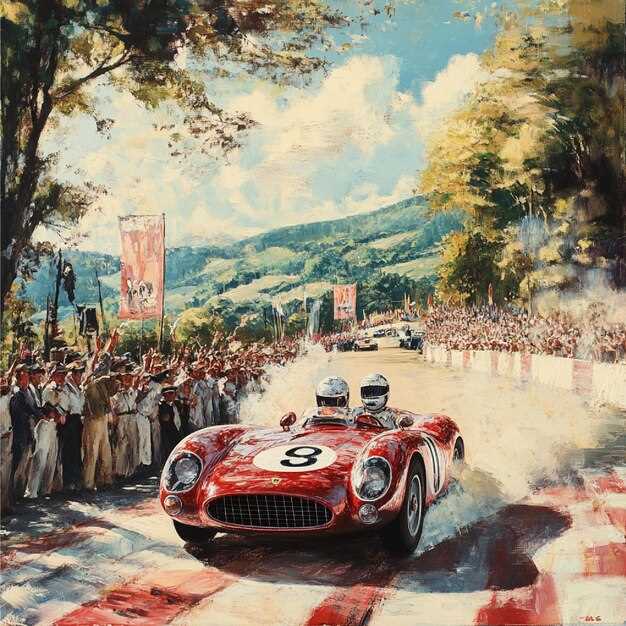
The world of racing is rich with history, and its visual legacy defines the experiences of fans and participants alike. Preserving the visual heritage of legendary racing events is essential for honoring the past and inspiring future generations.
Key aspects of preserving this legacy include:
- Archiving Historical Media:
- Storing photographs, posters, and memorabilia from past races.
- Digitizing old films and videos for better accessibility.
- Creating databases to catalog and share visuals with a broader audience.
- Restoring Classic Cars and Tracks:
- Maintaining and restoring iconic racing vehicles to their original glory.
- Preserving racetracks that hold historical significance.
- Organizing events that showcase restored cars and original racing conditions.
- Engaging the Community:
- Hosting exhibitions and festivals focused on the history of racing.
- Encouraging local artists to create works inspired by legendary races.
- Creating educational programs that teach the importance of racing’s visual legacy.
- Utilizing Technology:
- Employing virtual reality to recreate classic races for immersive experiences.
- Using social media to share stories and visuals from iconic events.
- Developing mobile applications that offer users access to historical racing data.
Preserving the visual heritage of racing is about more than just nostalgia; it’s about recognizing and valuing the impact these events have had on culture, technology, and sport evolution. Through ongoing efforts to maintain this legacy, both current enthusiasts and future fans can appreciate the vibrant history of racing.


