
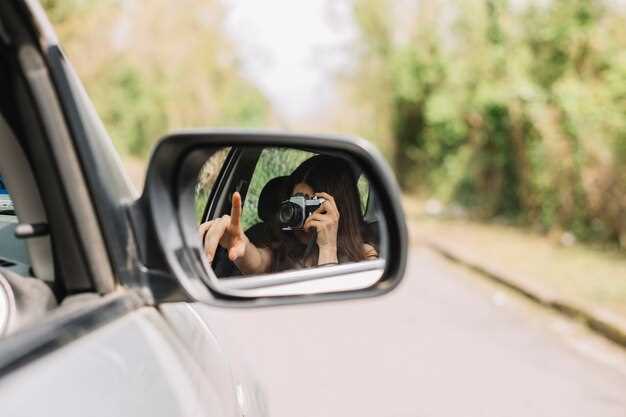
Attending a car show is an exhilarating experience for both enthusiasts and photographers alike. The fusion of artistry and engineering on display provides a unique opportunity to capture stunning visuals. Photography at car shows, however, is not merely about pointing a camera and shooting; it involves understanding the dynamics of the environment, the vehicles, and the audience to create memorable shots.
Preparation is key to achieving captivating images. Before the event, take time to research the types of vehicles that will be present and think about the best angles and settings for your shots. Consider the various lighting conditions you might encounter throughout the day, as natural light can dramatically affect the quality of your photography. Armed with this information, you’ll be poised to take advantage of every opportunity that arises during the show.
While shooting, remember that car shows are often bustling with energy, making it crucial to compose your shots thoughtfully. Isolate the vehicle by finding intriguing backgrounds or focal points that draw attention to the car itself. Use reflection and perspective to create depth in your images, allowing viewers to appreciate not just the cars but also the vibrant atmosphere of the event. With these strategies in mind, you will enhance your photography skills and produce stunning, evocative images that capture the spirit of the shows.
Mastering Lighting Conditions at Car Shows
Effective photography at car shows requires an understanding of various lighting conditions. Natural light can be both a blessing and a challenge; the time of day significantly influences the quality of your shots. Early morning and late afternoon provide soft, golden light known as the “golden hour,” which enhances the design and color of the vehicles.
In contrast, harsh midday sunlight can create undesirable shadows and highlights. To mitigate this, consider finding shaded areas or using diffusers. When shooting in direct sunlight, be mindful of reflecting surfaces like chrome and glass, which can cause glare and affect image clarity.
Moreover, if the event extends into the evening or is held indoors, you’ll need to adapt your techniques to artificial lighting. Utilize a higher ISO setting to capture more light without sacrificing detail. However, be cautious; excessively high ISO levels can introduce unwanted noise.
When working with flash, it’s essential to balance the flash with ambient light. This can be accomplished by adjusting your aperture and shutter speed to create a natural-looking photograph. Experimenting with flash exposure compensation can help you achieve the desired effect.
Finally, always be prepared for changing conditions. Carry a reflector to manipulate light and enhance details, especially in close-up shots of car features. By mastering these lighting techniques, you will significantly improve your photography results at any car show.
Best Camera Settings for Capturing Car Details
Capturing the intricate details of cars at shows requires careful consideration of your camera settings. Here are the optimal settings to ensure your photos stand out:
- Aperture: Use a wide aperture (f/2.8 to f/5.6) to create a shallow depth of field. This helps isolate the car from the background, making it the focal point of your images.
- Shutter Speed: Choose a shutter speed of at least 1/250 seconds to avoid motion blur, especially if you’re shooting outdoors where wind can shake the camera.
- ISO: Keep the ISO as low as possible (100-400) to minimize noise. Increase it only if necessary to maintain proper exposure in lower light conditions.
- White Balance: Set the white balance according to the lighting conditions of the show. Use the daylight setting for outdoor shoots and adjust to artificial light for indoor venues.
- Focus Mode: Use single-point autofocus to ensure precise focusing on specific details, such as badges or wheel designs.
- Image Format: Shoot in RAW format to capture the maximum amount of detail, providing more flexibility during post-processing.
Keep these settings in mind when heading to your next car show, and you’ll be able to capture stunning, high-quality images that highlight the beauty and craftsmanship of each vehicle.
Framing Techniques to Highlight Car Designs
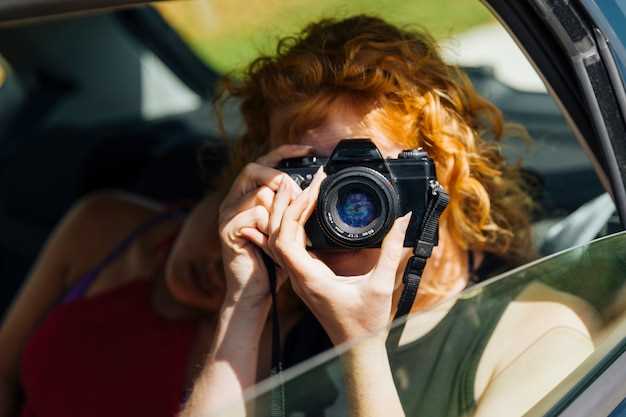
When it comes to car photography, effective framing techniques play a crucial role in showcasing the intricate designs and features of vehicles. Properly framing your subject not only draws attention to the car but also conveys its personality and style.
1. Rule of Thirds: One of the most fundamental principles in photography is the rule of thirds. Imagine dividing your frame into a grid of nine equal parts. Position the car along one of the grid lines or at the intersection points. This method creates a balanced composition and allows the viewer to engage with the photograph more naturally.
2. Leading Lines: Utilize natural or architectural lines within the environment to guide the viewer’s eye toward the car. This could include roads, fences, or even shadows. Leading lines create depth and help the car stand out against its surroundings.
3. Framing Within a Frame: To add depth and focus, consider framing the car using other elements in the scene. This could involve shooting through a doorway, between trees, or around structures. This technique not only highlights the vehicle but also provides context to the image.
4. Angles and Perspectives: Experimenting with different angles can dramatically change how a car is perceived. Low-angle shots can impart a sense of power and dominance, while high-angle shots provide a more comprehensive view of the car’s design. Emphasizing unique features, such as the headlights or grill, can also be effective.
5. Negative Space: Incorporating negative space around the car can create a sense of isolation, drawing more attention to it. This approach works particularly well with minimalist backgrounds, allowing the elegant lines and curves of the car to shine.
By employing these framing techniques, photographers can successfully highlight the beauty and design of cars at shows. Mastering framing not only elevates the visual impact of your shots but also enhances storytelling through your photography.


