
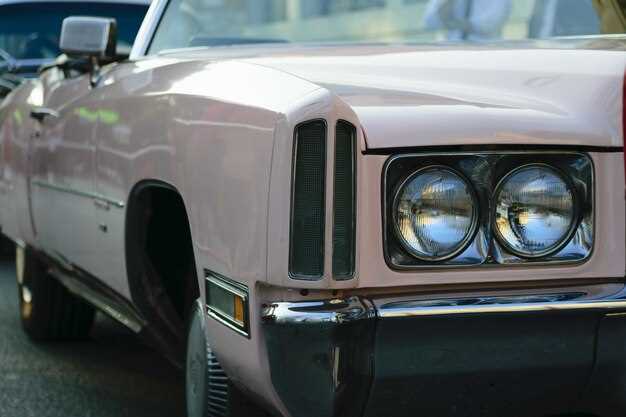
The history of American muscle cars is a captivating narrative marked by performance, design, and cultural significance. These vehicles emerged in the 1960s, representing the epitome of automotive engineering and embodying the spirit of freedom and rebellion in the United States. Muscle cars, characterized by their powerful engines and sleek designs, became symbols of American ingenuity and the pursuit of speed.
Through a stunning collection of photos, we will explore the evolution of these iconic cars, tracing their journey from early models, like the Chevrolet Camaro and Ford Mustang, to the more contemporary iterations that have embraced modern technology while retaining the raw power that fans have come to love. Each photograph tells a story, capturing not just the vehicle itself, but the era it represents and the impact it had on American culture.
As we delve into this visual history, we will examine how design philosophies, engineering advancements, and changing consumer preferences have shaped the landscape of muscle cars over the decades. From the roaring engines of the past to the sophisticated machines of today, the legacy of American muscle cars continues to inspire car enthusiasts and collectors around the world.
Key Features Distinguishing Classic Muscle Cars
Classic muscle cars, which emerged in the 1960s and 1970s, are renowned for their distinctive characteristics that set them apart from other vehicles. One of the most prominent features is their powerful engines, often exceeding 300 horsepower. This emphasis on performance is a defining aspect of their history, making these cars a symbol of speed and power.
Another significant feature is the design of the body, which typically includes a long hood and a short rear deck. This aggressive stance not only enhances aerodynamics but also gives the car a bold and dynamic appearance. The use of vibrant colors and eye-catching graphics further exemplifies the style and personality of classic muscle cars.
Additionally, muscle cars are characterized by their straightforward, uncomplicated engineering. Many models use rear-wheel drive, allowing for better handling and acceleration. This simplicity made them easier to modify, appealing to enthusiasts who sought to enhance performance beyond factory specifications.
The interior of classic muscle cars often adheres to a no-frills approach, focusing more on driver experience rather than luxury. Bucket seats and minimalistic dashboards are common, emphasizing the connection between driver and machine. This design philosophy aligns with the overall ethos of muscle cars: raw power and driving pleasure.
Lastly, the sense of nostalgia associated with classic muscle cars adds to their allure. They represent an era of American automotive history where freedom, individuality, and rebellious spirit were celebrated through powerful machines. These key features collectively define classic muscle cars, ensuring their lasting impact on car enthusiasts and the automotive landscape.
Notable Models That Defined Each Decade

The history of American muscle cars is marked by several iconic models that not only represented their respective decades but also set the standard for performance and style. Each era produced vehicles that resonated with the automotive culture and reflected the tastes of the time.
1960s: The Ford Mustang debuted in 1964, creating a new class of American muscle cars known as “pony cars”. Its sleek design and powerful engine options captivated enthusiasts and laid the groundwork for countless models to follow. The Pontiac GTO, introduced in 1964, is often credited with defining the muscle car genre, blending performance with everyday usability.
1970s: The Dodge Challenger emerged in 1970, combining aggressive styling with robust engine choices such as the Hemi V8. Meanwhile, the Chevrolet Camaro, launched in 1967, continued to evolve, offering high-performance options that embodied the muscle car spirit. This decade saw increasing regulations and fuel shortages, prompting many manufacturers to adapt their muscle cars accordingly.
1980s: The era marked a shift towards smaller, lighter cars, with the Pontiac Firebird Trans Am gaining popularity. Equipped with turbocharged engines, it showcased the potential for performance in a more compact form. The Chevrolet Corvette also saw significant updates, emphasizing both style and speed, remaining a symbol of American muscle.
1990s: The introduction of the Dodge Viper in 1992 reignited interest in high-performance vehicles. This car was a raw, unapologetic sports car that returned to the roots of muscle car performance. Concurrently, the Ford Lightning pickup showcased the versatility of muscle car performance by combining power with utility.
2000s: The revival of the Dodge Challenger in 2008 brought back the classic muscle car vibe, offering modern technology paired with powerful HEMI engines. The Chevrolet Camaro also returned, re-establishing its place in the muscle car hierarchy and appealing to a new generation of enthusiasts.
2010s: The Ford Mustang continued to evolve, incorporating advanced technology and performance upgrades, while the introduction of the Chevrolet Camaro ZL1 showcased a new era of muscle cars with supercharged engines and cutting-edge performance features. This decade solidified the muscle car’s place in American automotive culture.
2020s: The latest decade emphasizes electrification, with models like the Ford Mustang Mach-E and the anticipated electric Dodge Charger signaling a new chapter for muscle cars. These innovations highlight the industry’s commitment to performance while addressing environmental concerns and shifting consumer preferences.
Through the decades, these notable models have exemplified the spirit of American muscle cars, showcasing the evolution of design, technology, and performance that continues to thrill enthusiasts around the world.
The Role of Racing and Performance in Muscle Car Heritage

The rich history of American muscle cars is intricately linked to the world of racing and high-performance engineering. Beginning in the late 1960s, brands such as Ford, Chevrolet, and Dodge sought to dominate the racing scene by developing powerful vehicles that could deliver unparalleled speed and performance on the track.
Performance has always been the cornerstone of muscle car identity. The incorporation of high-displacement V8 engines and lightweight designs allowed these vehicles to achieve impressive quarter-mile times, making them formidable contenders in drag races across America. This emphasis on racing success played a crucial role in shaping the public perception and allure of muscle cars, establishing them as symbols of American automotive power.
As the history of muscle cars unfolded, various racing organizations began to influence the designs and specifications of these vehicles. The Federal Engineering Council and events like the NHRA (National Hot Rod Association) provided a competitive backdrop that encouraged manufacturers to push the limits of engine performance and aerodynamics. Innovations such as improved carburetion, enhanced suspensions, and advanced transmission systems emerged as automakers aimed to gain a competitive edge.
The spirit of competition also fostered a culture of performance tuning among enthusiasts. Many muscle car owners invested in aftermarket modifications, further enhancing their cars’ capabilities and personalizing their ride. This grassroots involvement in racing and performance not only solidified the bond between the cars and their fans but also contributed significantly to the muscle car community’s vibrant culture.
Today, the legacy of racing and performance continues to define muscle cars. With modern iterations paying homage to their predecessors while incorporating cutting-edge technology, the essence of speed and competition lives on. Muscle cars remain a testament to American ingenuity and the relentless pursuit of power, making them enduring icons in automotive history.


