
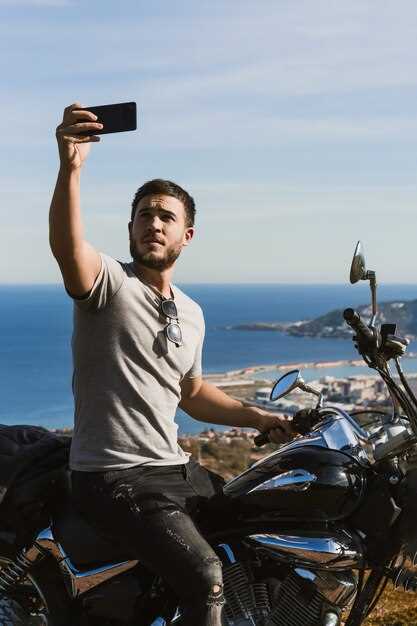
Photographing moving motorcycles presents a unique challenge for both amateur and experienced photographers. The dynamic nature of bikers in motion requires a keen understanding of both technique and equipment to effectively capture the thrill and energy of the ride. In this guide, we will delve into essential tips that will elevate your motorcycle photography, enabling you to create stunning images that showcase the excitement of the open road.
One of the key elements in capturing captivating images is mastering your camera settings. Adjusting your shutter speed is crucial when photographing a biker in motion; a fast shutter speed will help freeze the action, while a slower speed can create a sense of motion through intentional blur. By learning how to manipulate these settings, you can effectively convey the dynamic essence of motorcycling, bringing your photos to life.
Additionally, the choice of background can significantly impact your composition. A cluttered or distracting backdrop may detract from the biker’s presence, while an open road or scenic view can enhance the sense of speed and freedom. Consider the surroundings when planning your shot, and experiment with different angles to find the most powerful perspective. Together, these tips will help you master the art of capturing moving motorcycles, showcasing the spirit of biking like never before.
Choosing the Right Camera Settings for Action Shots
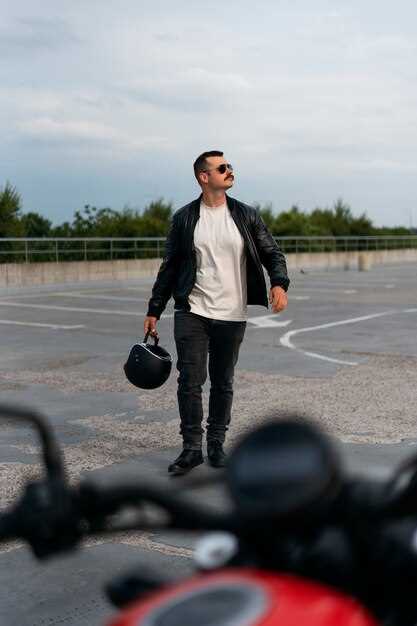
When capturing moving motorcycles, selecting the appropriate camera settings is crucial for achieving stunning shots. Here are the essential adjustments to consider when photographing bikers in action.
Shutter Speed: A fast shutter speed is vital for freezing the motion of a speeding motorcycle. Aim for at least 1/1000th of a second to ensure the biker is sharp and not blurry. If you want to convey motion, slower shutter speeds can be used creatively, but this requires precise technique to avoid unintentional blurring.
Aperture: A wider aperture (like f/2.8 or f/4) allows more light to reach the sensor, helping you capture clear images in varying lighting conditions. It also creates a shallow depth of field, which helps to emphasize the biker against the background. However, if you wish to capture more of the scene in focus, consider using a smaller aperture like f/8.
ISO Settings: Adjusting the ISO setting can help you achieve the correct exposure, especially in changing lighting conditions. For daytime shots, keep ISO low (100-400) to reduce noise. In low-light situations, raising the ISO (800-1600) allows for faster shutter speeds, but be mindful of potential graininess in your images.
Continuous Shooting Mode: To increase your chances of capturing the perfect shot of a biker in motion, use continuous or burst shooting mode. This setting enables your camera to capture multiple frames in quick succession, increasing the likelihood of getting that ideal action shot.
Autofocus Mode: Utilize continuous autofocus (AF-C) to keep your subject in focus as they move. This mode adjusts the focus dynamically, ensuring sharp images of the biker as they race by.
By mastering these camera settings, you’ll be better equipped to capture breathtaking shots of bikers in action, showcasing their speed and agility on the open road.
Best Techniques for Panning with Moving Motorcycles
Panning is an essential technique for capturing dynamic shots of moving motorcycles, allowing you to create a sense of motion while keeping the subject sharp. Here are some effective methods to master this skill:
1. Choose the Right Shutter Speed: To achieve the desired effect, select a shutter speed that balances motion blur and sharpness. A range of 1/125 to 1/1000 seconds can work well, depending on the speed of the motorcycle. A slower shutter speed (e.g., 1/250 seconds) will help you capture the motion of the wheels while keeping the motorbike in focus.
2. Use Continuous Shooting Mode: Engaging the continuous shooting mode enables you to take multiple frames in quick succession. This increases your chances of capturing the perfect dynamic shot as the motorcycle passes by, showcasing various angles and positions.
3. Focus on the Rider: When panning, it’s often effective to focus on the rider rather than the motorcycle itself. This can enhance the overall dynamic nature of the shot, emphasizing the motion and speed of both the bike and the person on it.
4. Practice Your Tracking: Panning requires practice to smoothly track the motorcycle’s movement. Stand with your feet shoulder-width apart and rotate your hips to follow the bike. Maintain a steady hand while moving your camera along with the subject to achieve consistent results.
5. Use a Wide Aperture: A wide aperture (low f-stop number) will create a shallow depth of field, helping to isolate the motorcycle from the background. This can enhance the foreground action and make the shot more dynamic, drawing attention to the subject.
6. Anticipate the Action: Observing the motorcycle’s path before taking a shot allows you to better predict its movement. This anticipation helps you to frame the motorcycle correctly within the viewfinder, resulting in more compelling dynamic shots.
7. Experiment with Angles: Changing your shooting angle can drastically affect the perception of motion in your photos. Try shooting from a lower angle or from the side to capture the bike’s speed and sleek design in a more dramatic light.
By mastering these techniques, you will elevate your photography skills and successfully capture the dynamic essence of moving motorcycles, resulting in captivating shots that showcase their speed and performance.
Composing Dynamic Shots for Maximum Impact
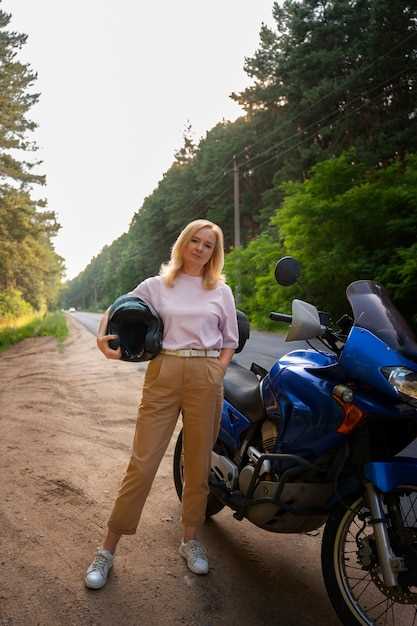
Creating captivating photographs of moving motorcycles requires careful composition. To achieve dynamic shots that convey the thrill of speed and motion, consider the following tips:
- Choose the Right Angle:
- Position yourself at eye level for an engaging perspective.
- Try low angles to emphasize the motorcycle’s power.
- Use elevated viewpoints to capture the scene in a unique way.
- Incorporate Motion Blur:
- Use a slower shutter speed to blur the background, enhancing the sense of speed.
- Pan the camera along with the motorcycle to keep it sharp while blurring the surroundings.
- Experiment with different speeds to find the right balance of clarity and motion.
- Use Leading Lines:
- Include roads, fences, or other elements that guide the viewer’s eye toward the motorcycle.
- Position the motorcycle along these lines to create a more dynamic composition.
- Play with Depth of Field:
- Use a wide aperture to blur the background, focusing attention on the motorcycle.
- Experiment with varying depths of field to create a sense of dimension.
- Incorporate Environmental Elements:
- Capture the motorcycle in action against natural landscapes or urban settings for added context.
- Include other moving elements, like the wind or falling leaves, to enhance the dynamic feel.
- Consider the Composition Rules:
- Utilize the rule of thirds to position the motorcycle off-center for a more interesting shot.
- Frame the motorcycle within the environment to give a sense of adventure.
By carefully considering these compositional elements, you can create dynamic shots that not only capture the motorcycle’s movement but also convey its energy, making your photos impactful and engaging.


