

For many car enthusiasts, the allure of classic cars transcends mere transportation; it embodies a passion for automotive history and craftsmanship. These remarkable vehicles, often revered for their timeless design and engineering, represent significant milestones in the evolution of the automobile. For collectors, owning a classic car is not just a hobby but an investment in a piece of history that can appreciate in value over time.
The world of classic cars is vast and varied, with each model telling its own unique story that reflects the cultural and technological advancements of its era. From the roaring engines of muscle cars to the elegant lines of vintage luxury vehicles, the spectrum of classic cars available to collectors offers something for everyone. In this article, we will explore the top ten classic cars that not only captivate the hearts of collectors but also symbolize the rich legacy of the automotive industry.
Whether you are a seasoned collector looking to expand your garage or a newcomer seeking to understand the essentials of classic car ownership, this guide will introduce you to the crème de la crème of classic automobiles. Prepare to embark on a journey through time as we highlight the iconic models that have left an indelible mark on automotive history.
Criteria for Evaluating Classic Cars in Collecting
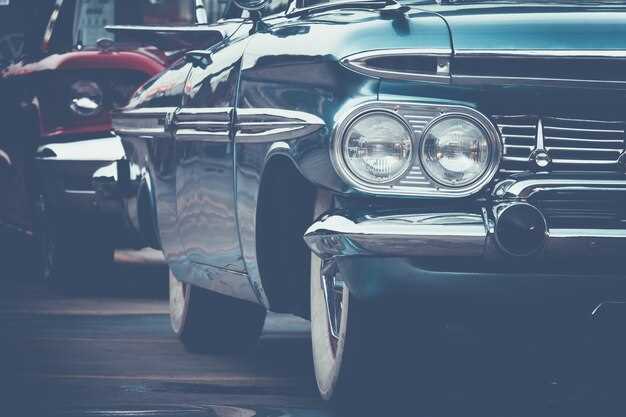
When approaching the world of classic car collecting, enthusiasts must consider several key criteria to evaluate potential additions to their collections. Each criterion plays a significant role in determining the value and desirability of classic cars among collectors.
Firstly, the condition of the vehicle is paramount. Classic cars that have been well-maintained, with minimal rust and a solid frame, typically fetch higher prices. Original paint, upholstery, and parts can significantly enhance a car’s authenticity and value. Restoration history is another critical aspect; a car that has undergone skilled restoration may appeal more to collectors than one that has suffered from poor repairs.
Secondly, provenance is vital. A car with a documented history, including previous ownership and maintenance records, often commands greater interest among collectors. Vehicles associated with notable figures or events can possess additional historical significance, increasing their desirability.
Next, rarity plays a crucial role in the evaluation process. Limited-production models or those with unique specifications often attract collectors looking for exclusive items. Understanding production numbers and market scarcity can help collectors make informed decisions.
Another essential factor is originality. Many collectors favor cars that retain their factory specifications, including engines and components. Modifications can either enhance or detract from a vehicle’s appeal, depending on the collector’s preferences.
Market trends and demand also influence evaluations. Familiarity with current trends in the classic car market can guide collectors in identifying which models are increasing in value and which are losing popularity. Being attuned to these changes can help collectors make strategic investments.
Lastly, the emotional connection a classic car evokes cannot be underestimated. Personal preferences often guide collectors towards specific makes and models that resonate with their tastes or memories. A car that captures a collector’s heart can often be a worthwhile investment, transcending mere monetary considerations.
Maintenance Tips for Classic Car Longevity
Maintaining classic cars is essential for preserving their value and ensuring they remain in optimal condition. Regular maintenance practices can extend the life of these vehicles significantly. Here are some vital tips for keeping classic cars in top shape.
1. Regular Inspections: Conduct thorough inspections of your classic car at least twice a year. Check the brakes, tires, fluid levels, and electrical systems to identify any potential issues early.
2. Fluid Changes: Regularly change the engine oil and other fluids, such as brake fluid, transmission fluid, and coolant. Old fluids can cause engine wear and lead to major repairs.
3. Use Quality Parts: When replacing any components, choose high-quality, OEM (Original Equipment Manufacturer) parts. Quality parts ensure reliability and often last longer compared to generic alternatives.
4. Store Properly: Store classic cars in a climate-controlled environment to prevent rust and damage from extreme temperatures. Use breathable car covers to protect the vehicle while allowing moisture to escape.
5. Maintain Cleanliness: Regularly wash and wax the car to protect the paint and finish. Pay attention to the undercarriage, which can collect dirt and moisture, leading to rust.
6. Check Tires: Inspect tires for proper inflation and tread wear routinely. Classic cars may require specific tires that match their original specifications. Rotate and balance them regularly for even wear.
7. Ensure Proper Lubrication: Keep moving parts well-lubricated to prevent friction and wear. This includes door hinges, window tracks, and any other moving components.
8. Battery Care: Maintain the battery with regular charging and cleaning of terminals. Disconnect the battery if the car will be stored for extended periods to prevent drain.
9. Attention to Electrical Systems: Classic cars often have outdated wiring. Regularly check and repair any frayed wires or corroded connections to prevent electrical failures.
10. Seek Professional Help: When in doubt, consult with a mechanic who specializes in classic cars. Their expertise can help identify problems you might overlook and ensure your vehicle remains in prime condition.
Market Trends: Investing in Classic Cars
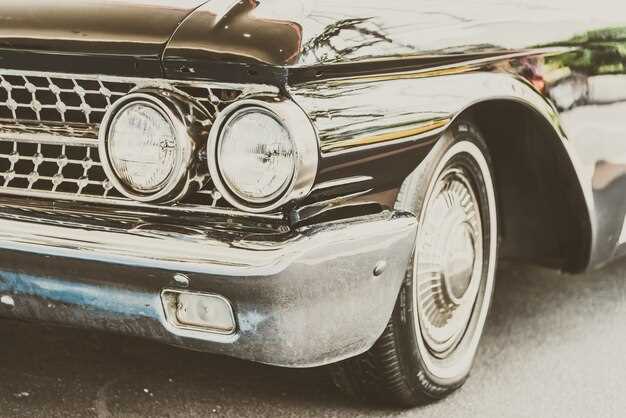
The classic car market has seen notable growth in recent years, attracting a diverse group of collectors and investors alike. This trend is fueled by several factors, including a resurgence of interest in vintage automobiles and the cultural significance of classic cars. As more individuals view them not just as collectibles but also as viable investment opportunities, the market has become increasingly dynamic.
One significant trend is the shift towards digital platforms for buying and selling classic cars. Online auctions and marketplaces allow collectors to reach a broader audience, driving up prices for sought-after models. This digital revolution has also made it easier for novice investors to enter the market, further expanding the collector base.
Additionally, certain classic cars have shown impressive appreciation in value over time. Iconic models from brands such as Ferrari, Porsche, and Aston Martin tend to attract premium prices, indicating strong demand among collectors. Rare editions, limited production runs, and vehicles with unique histories often yield the highest returns, creating a niche market for discerning investors.
Moreover, the emergence of younger collectors has significantly influenced market trends. This demographic is increasingly interested in classic cars as part of a lifestyle choice, valuing the nostalgia and craftsmanship these vehicles represent. As a result, there is a growing market for cars from the 1980s and 1990s, as these models become classics in their own right.
However, potential investors should approach the classic car market with caution. While some vehicles appreciate dramatically, others can lose value due to changing tastes or high maintenance costs. Therefore, research and expert advice are essential before making a purchase. Overall, as the classic car market continues to evolve, it presents exciting opportunities for collectors looking to invest in automotive history.


